
Warmer floors in winter
Insulation between the joists stops cold air from the subfloor entering the home, so floors stay warmer and rooms heat up faster. This is especially noticeable in living areas and bedrooms above a crawl space.
Ivanhoe
Underfloor insulation in Ivanhoe stops cold air rising through suspended timber floors, eliminating draughts and cutting winter heating costs. Expert Insulation Melbourne installs batts or reflective foil between floor joists in the subfloor to create a thermal barrier under your home.
Share your details and Expert Insulation Melbourne will contact you about Underfloor Insulation in Ivanhoe.
Ivanhoe’s older weatherboard and brick veneer homes often have suspended timber floors with a crawl space underneath. Without insulation, cold air rises through gaps in the floorboards, making rooms feel chilly and forcing heaters to work harder. Underfloor insulation fills the space between joists with bulk batts or reflective foil to block draughts and improve thermal resistance. It is a straightforward job when there is enough access to the subfloor, and it makes a noticeable difference to comfort and energy bills.
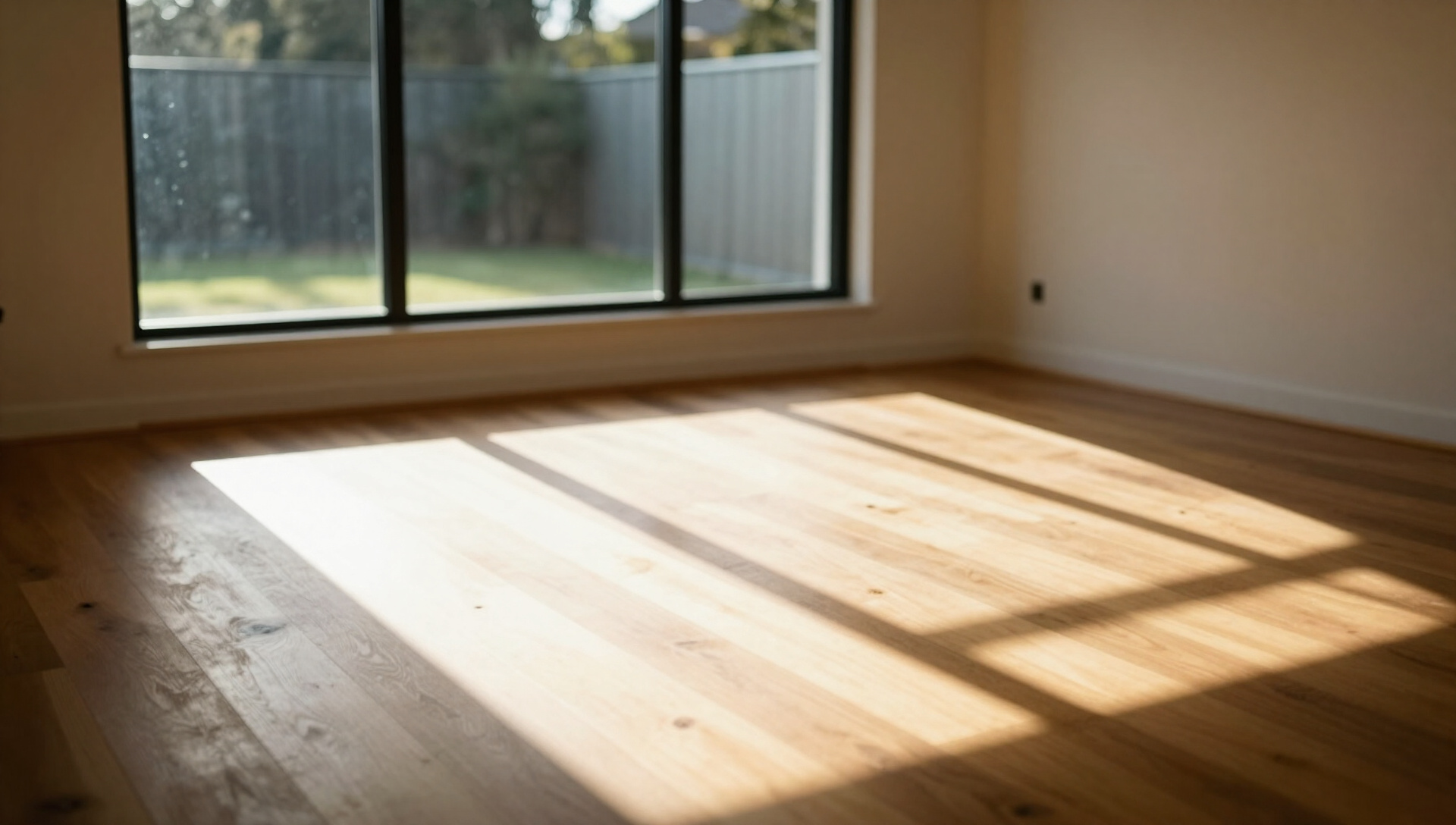
Ivanhoe’s mix of period homes and interwar bungalows often have uninsulated subfloors, leading to cold floors and higher heating costs. Installing underfloor insulation addresses these issues directly, improving comfort and efficiency.
Insulation between the joists stops cold air from the subfloor entering the home, so floors stay warmer and rooms heat up faster. This is especially noticeable in living areas and bedrooms above a crawl space.
By reducing heat loss through the floor, your heater runs less often to maintain a comfortable temperature. Over a Melbourne winter, this can lead to measurable savings on energy bills.
Sealing the subfloor with insulation also blocks air movement that carries dust and pollen into the home. This improves indoor air quality and reduces the need for frequent cleaning.
While the main benefit is winter warmth, underfloor insulation also helps moderate temperatures in summer by reducing heat gain through the floor from a hot subfloor space.
The work is done from the subfloor, so there is no need to remove flooring or disrupt the home. Installers access the space through existing vents or small panels, then fit the insulation between joists.
Most Ivanhoe homes with suspended floors can be completed in a day, depending on access and floor area. The team works efficiently to minimise time on site.
The process starts with a quick check of the subfloor to confirm access and measure the space between joists. This determines the right product and R-value for your home.
We assess the crawl space height, joist spacing and any obstructions like pipes or wiring. This ensures we select the correct insulation width and thickness for a snug fit.
For most Ivanhoe homes, we use bulk insulation batts made from glasswool or polyester, or reflective foil for areas with limited height. Batts are cut to the exact joist spacing to avoid gaps.
The insulation is fitted between each joist, supported by the bearers and stumps. It is held in place by friction or staples to the joist sides, with no gaps that would allow air movement.
We verify full coverage, check for any compressed sections and remove all offcuts. The subfloor access points are secured, leaving the area clean and tidy.
Ivanhoe’s established homes, many built in the early to mid-20th century, often have suspended timber floors that lack insulation. This construction style is common in the area’s weatherboard and brick veneer houses, where a crawl space sits beneath the floorboards. Without insulation, cold air rises through gaps, making floors feel icy and increasing heating demand. Underfloor insulation is a practical upgrade that improves comfort without altering the home’s character.
Stop cold floors and draughts in Ivanhoe with underfloor insulation installed between joists in the subfloor.
Homeowners in Ivanhoe often ask about access, suitability and the impact of underfloor insulation on older homes. Here are the key details.
Ivanhoe homes with suspended timber floors benefit from underfloor insulation to block cold air rising through the subfloor. This is a common issue in the suburb’s older weatherboard and brick veneer houses, where a crawl space sits beneath the floorboards. Installing batts or reflective foil between the joists creates a thermal barrier that stops draughts and reduces heat loss, making rooms warmer and cutting heating costs.
The installation process is straightforward when there is adequate access to the subfloor. Technicians enter the crawl space through existing vents or small access panels, measure the joist spacing and fit insulation cut to size. Bulk batts made from glasswool or polyester are the most common choice, with R-values typically ranging from R1.5 to R2.5 for underfloor applications. Reflective foil is used where space is limited, but it requires an air gap to be effective.
Signs your Ivanhoe home needs underfloor insulation include cold floors in winter, noticeable draughts at floor level and higher than expected heating bills. If your house has a suspended timber floor and was built before the 1980s, it likely has no insulation under the floorboards. Adding underfloor insulation is a cost-effective way to improve thermal comfort and energy efficiency without major renovations.
Call Expert Insulation Melbourne on 0399695249 or email info@expertinsulationmelbourne. com. au to discuss underfloor insulation for your Ivanhoe home.